
Restoring Gut Balance
Restoring gut flora balance and healing microbiome imbalances is crucial not only for gastrointestinal health but also for overall well-being. The microorganisms in our gut significantly impact various aspects of health, including nutrient absorption, obesity, inflammation, and the aging process.
Mitogenex gut recovery protocols take a holistic approach to addressing gut imbalances. After identifying bacterial imbalances through gut microbiome fecal testing, we focus on dietary adjustments, identifying food intolerances, incorporating fermented foods, targeted probiotic supplements, and making lifestyle changes to reduce stress and improve sleep quality. Implementing these protocols can help restore gut health and overall well-being.
- Improved metabolism
- Lower bodyfat/elevated energy levels
- Improved digestion
- Improved immunity
Activate Membership Now!
Signs and symptoms of microbiome dysbiosis
Learn how to rebalance and optimise your positive gut bacteria using MITOGENEX cutting edge protocols
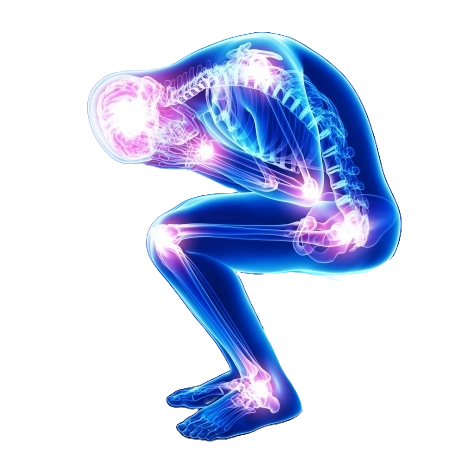
Inflammation:The Slow Death
Chronic inflammation significantly raises the risk of neurodegenerative diseases, cancer, heart disease, and accelerated aging. Managing it is crucial to prevent these conditions.
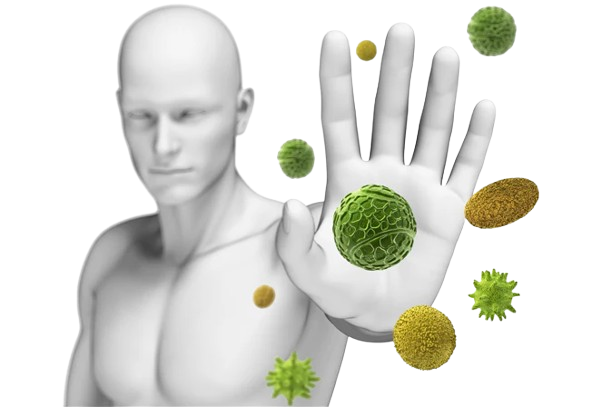
Poor Immunity
When inflammation occurs in the gut it leads to a decrease in immune response, which puts people at a higher risk for infection and disease.

Metabolic Derangement
Gut Microbiota as a Trigger for Metabolic Inflammation in Obesity and Type 2 Diabetes. The gut microbiota has been linked to the development of obesity and type 2 diabetes.
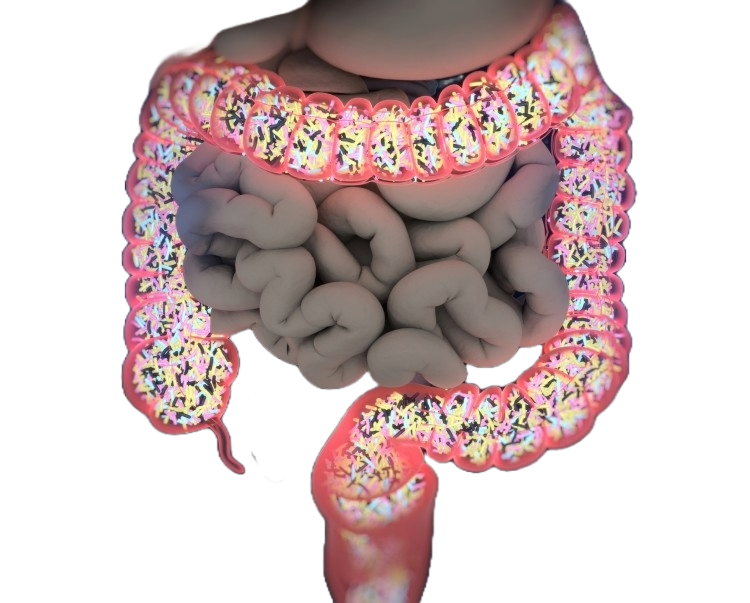
Autoimmune Disorders
Microbiome dysbiosis can cause a predisposition of autoimmunity issues such as rheumatoid arthritis, Hashimoto's thyroiditis, celiac disease and many more
Do I need to restore my gut flora?
Modern lifestyles, characterized by an over consuming ultra-processed foods and alcohol, poor sleep, lack of exercise, and daily stress, can lead to microbiome dysbiosis. Digestive issues like bloating, gas, and irregular bowel movements are common signs of an unhealthy gut. Diets high in processed foods and refined sugars can disrupt the balance of gut bacteria, leading to increased inflammation and disease risk. This imbalance is also affects weight management by disrupting fat storage, blood sugar regulation, and appetite control. Additionally, an unhealthy gut can weaken immune function, increasing the risk of autoimmune conditions. Low energy levels, despite adequate sleep, and may also be linked to poor gut health, affecting nutrient absorption and causing fatigue and accelerated aging.
Mitogenex gut balance and restoration protocols rely on scientific microbiome fecal testing to precisely identify bacterial overgrowth and address the root causes of gut inflammation.
Activate Membership Now!

Alcohol
Frequent alcohol consumption, even in small amounts, disrupts the balance of gut bacteria and promotes the growth of pro-inflammatory pathogens. This imbalance leads to inflammation in the gut and throughout the body. Such inflammation is linked to obesity, type 2 diabetes, and atherosclerosis. Overall, alcohol significantly harms gut health and contributes to these serious health issues.
Antibiotics
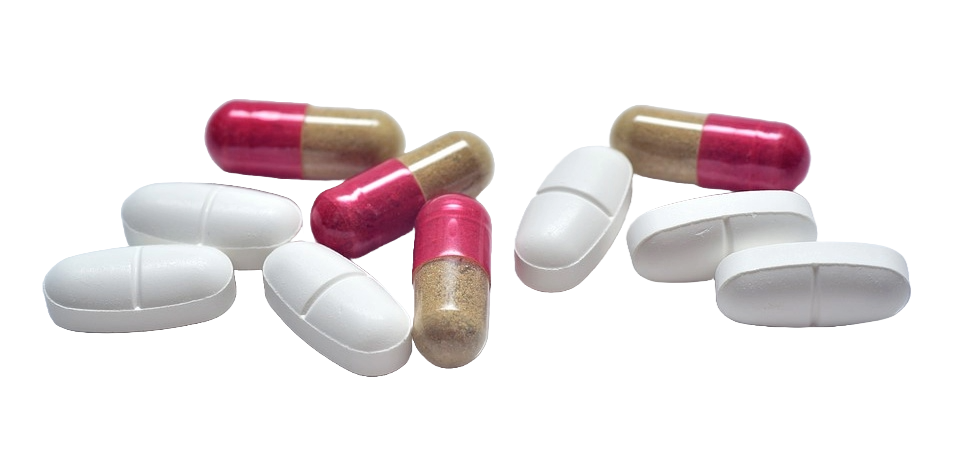
Antibiotics, though essential for treating serious infections, are a major threat to microbiome health. Unlike probiotics, they cause gut dysbiosis and promote harmful bacteria. Overuse of antibiotics can seriously damage the gut microbiome, with even a single course disrupting normal gut function for up to a year. While lifesaving, their impact on gut health is significant.

High Sugar Intake
A diet rich in processed foods and refined sugars depletes beneficial gut bacteria. This can cause widespread inflammation, contributing to conditions like psoriasis, arthritis, accelerated aging, and certain cancers. Over time, this ongoing inflammation harms gut health. Regular high sugar intake may lead to lasting damage.

Insomnia & Mental Health
Imbalanced gut bacteria are linked to poor sleep. chronic fatigue, and mental health issues like anxiety, depression, and bipolar disorder. These problems stem from gut inflammation and disrupted metabolic function. Overgrowth of harmful bacteria contributes to these conditions, including more severe mental health disorders. The connection between gut health and mental well-being is significant