What is metabolism? In the simplest terms, metabolism is the process by which your body converts the food and drink you consume into energy. What is basal metabolic rate? Your basal metabolic rate (BMR) is the number of calories your body burns while performing basic, life-sustaining functions.
Having more lean muscle mass increases your basal metabolic rate, making it a key factor in metabolic health. A healthy gut microbiome is another important indicator, while hormones also play a crucial role in regulating metabolism and affecting weight loss or gain.
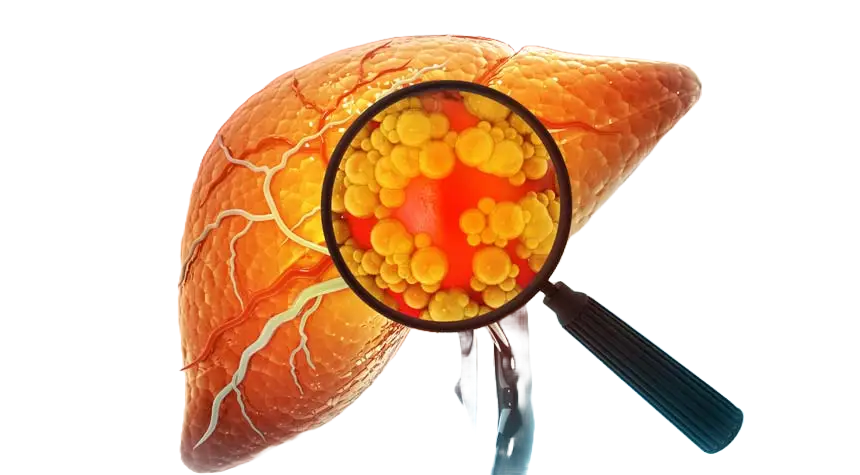
Utilizing the latest cutting-edge technology, the team at Mitogenex can design a personalized protocol tailored specifically to your needs, optimizing your metabolic health and addressing all issues related to body fat accumulation
Do I need to do a Mitogenex metabolic dysfunction protocol?
Obesity and metabolic dysfunction are at an all-time high in the Western world. Sedentary adults typically gain the most weight in their 20s and 30s, averaging 17.6 lbs (7.98 kg). In their 30s and 40s, the average gain is 14.3 lbs (6.62 kg), and after 40, weight increases by 1 to 2 lbs (0.45 to 0.9 kg) annually.
Many people in the West are over 50 lbs (22.67 kg) overweight by the time they reach 50 years old, classifying them as medically obese. Managing metabolic health is crucial for longevity and healthy aging. Being mindful that the food we eat directly affects our hormones, gut health, inflammation, and mental health.
Optimizing metabolic health is the most important factor in slowing aging, maintaining a healthy BMI, and staying energized and active later in life.
Convenience foods often have a lower nutrient density, meaning they provide fewer vitamins, minerals, and other beneficial nutrients relative to their calorie content. They are typically high in calories but low in essential nutrients.
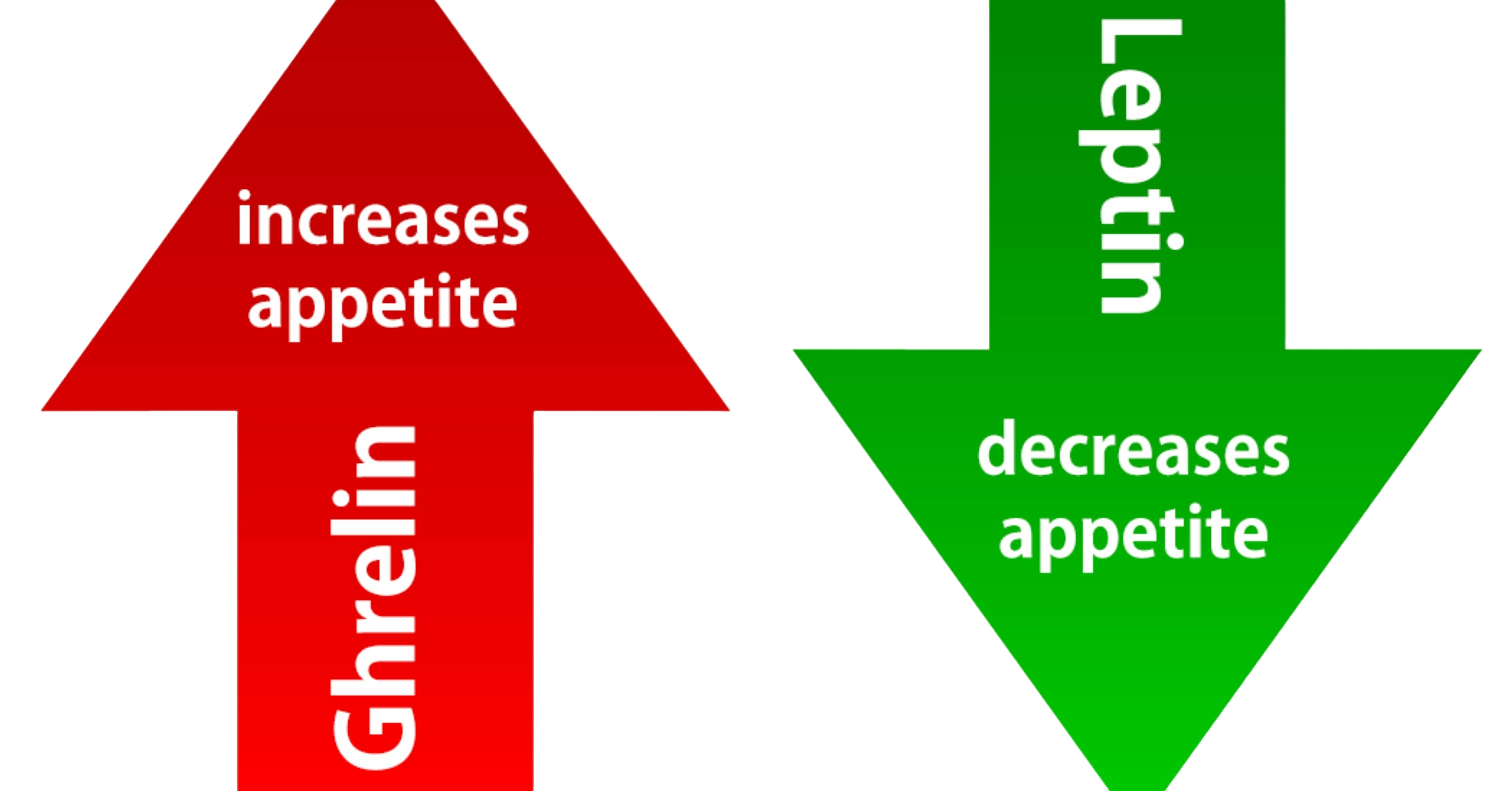
Ghrelin and leptin are two crucial hormones involved in regulating hunger, energy balance, and body weight. They operate through complementary but opposing mechanisms to maintain energy homeostasis.
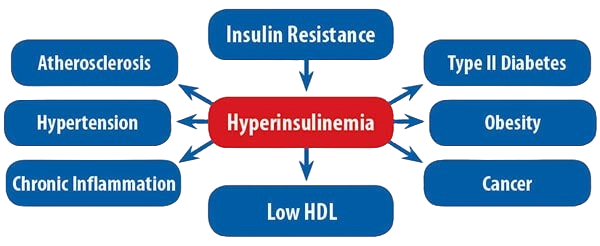
Hyperinsulinemia is a condition characterized by elevated levels of insulin in the blood. While insulin is essential for regulating blood sugar levels, chronic hyperinsulinemia can lead to a range of health issues, particularly when it is associated with insulin resistance
Prolonged sitting, especially in sedentary lifestyles, is increasingly recognized as a significant factor contributing to obesity and other related health issues. Here’s how prolonged sitting is linked to obesity and the broader implications for health.